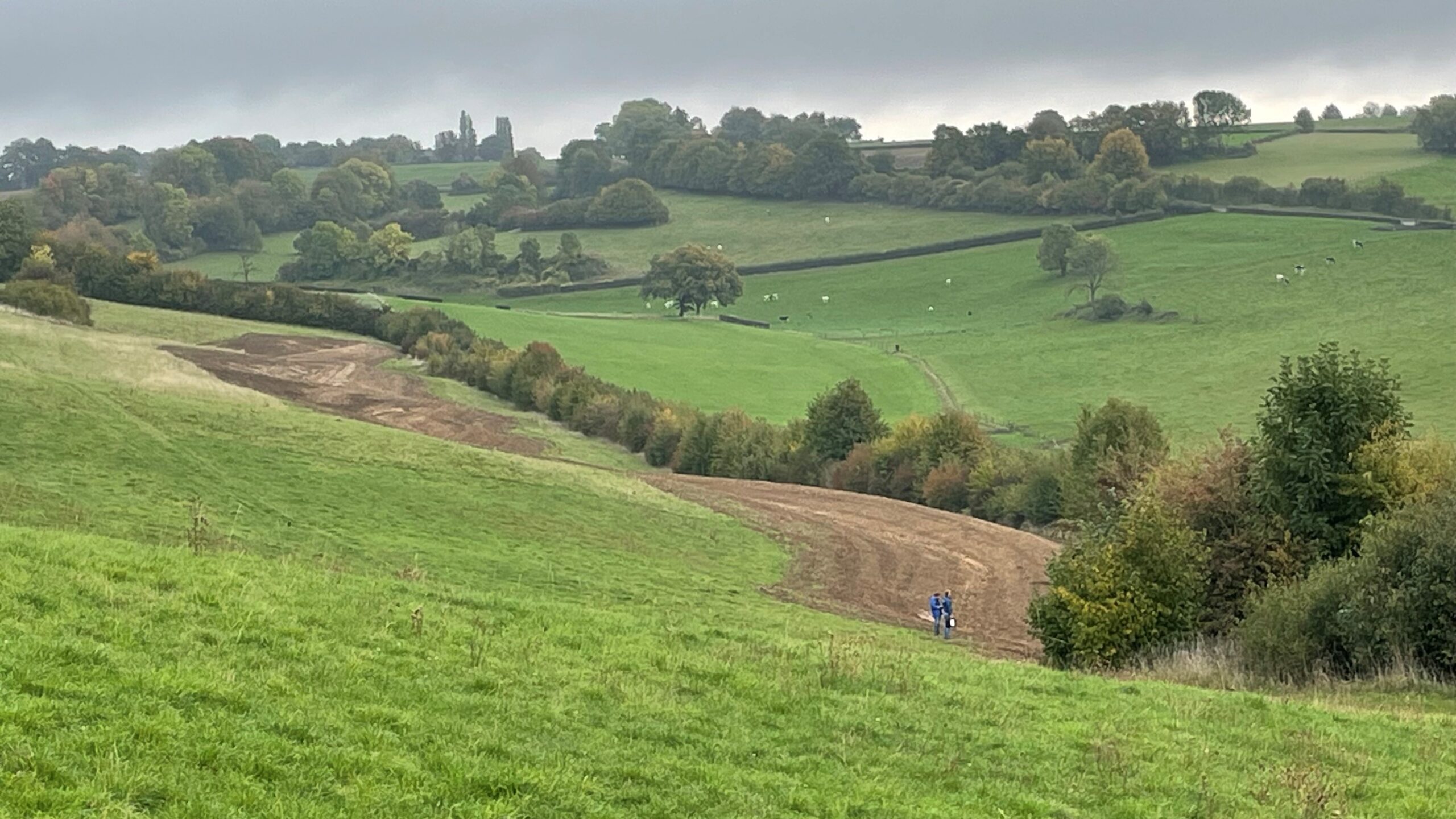
Nature-based Solutions for drought, floods and wildfires through rainwater retention and storage with ponds, swales, terraces and planting
Logo of The Rain Savers


Nature based solutions for drought, floods and wildfires


Design and Realisation
of


RAINWATER RETENTION LANDSCAPES


Our Services

Attention! Our services are temporarily unavailable in Limburg (NL) and it's tributary river bassins.
Analysis of risks and possible Nature-based Solutions

Landscape Analysis

An analysis of your property, the flow of the water, the bottlenecks and the opportunities to create a healthy and water abundant landscape. Our goal is to keep as much rainwater as possible in the water catchment to hydrate the land, to bring coolness, carbon sequestration, growth and productivity.

Design of ponds, swales, terraces and planting

Design of Water Retention Systems

We design wadi's, ponds, swales and terraces to keep the water in the landscape. These are based on natural principles and materials. To make them last a thousand years, we design robust with earth, clay and rocks and make safety spillways for extreme events.

Building rainwater retention and storage with ponds, swales, terraces and planting

Project Realisation

We guide you in finding a skilled contractor, in making an estimation of costs and in realizing the desired water retention elements on your property. We make sure the project is made with the required care and precision to be sure that the elements function as intended.

“If it is possible to rehabilitate large-scale damaged ecosystems, why don't we?”
John D. Liu

Clients

Nature-based Solutions for drought and floods in arable fields

Farms

Many farms suffer from increasing drought and decreasing soil health. Without water productivity drops. In many regions climate change means more rain in winter and less in summer. So the challenge is to keep the winter rains in the landscape as long as possible. With terrain modelling, water retention features and regenerative soil management, farms can become climate resilient, productive and healthy again. The Rains Savers offer their support.

Rainwater retention and storage with ponds, swales, terraces and planting in foodforests

Food Forests & Agroforestry Farms

Water is a basic element in most permaculture and food forest designs. Swales and terraces help to keep the moisture in the root zone. Keylines can even transport water from valleys to ridges. Ponds also hydrate the landscape and provide habitat for aquatic ecosystems that support natural plague oppression.
The Rain Savers can offer a design for the water layout of your food forest or permaculture farm. What about a natural swimming pond?

Nature-based Solutions for gardens

Rain Gardens

Gardens of any size and location can contribute to climate adaptation by absorbing the rainwater from roofs and pavings. Keeping this clean water out of the sewer and using it for abundant plant and animal life in your garden is fun and has many benefits for our rivers and groundwater aquifers. The Rain Savers design natural water features for your rainwater. For dryer climates we advice on safely using grey water (from shower, sink and washing machine) to water your garden.

ABOUT US

Marco de Redelijkheid - The Rain Savers
Marco de Redelijkheid - Water Cycle Restoration Professional

First Water Cycle Restoration Professional in the Netherlands

The Rain Savers is the result of a desire of founder Marco de Redelijkheid to have more direct and tangible positive impact in this world in crisis.

In May 2025 he became the first certified Water Cycle Restoration Professional in The Netherlands. The result of being trained at Water Stories (USA) by leading ecosystem restorer Zach Weiss, who himself gained his knowledge from pioneers as Sepp Holzer and Rajindra Singh.  

Marco’s love for nature and water started early. With his brother and father he spent holidays in parts of Europe where he noticed that the most appealing spots had always streaming or swimmable water. 

In high school he and his friends engaged in environmental movements or even initiated them.

Reading and mapping the landscape is firmly grounded in his academic study in physical geography. 

In working for a consultancy in landscape architecture he gained experience in building and designing with nature. Since 2002, he has been working at the water authority in Limburg (NL) as a policy officer and advisor, with responsibilities including guiding stream restoration projects, reviewing zoning plans, implementing area-based approaches, and developing and writing policies.

Since 2024 Marco also works on an ambitious regional flood protection program in the south of The Netherlands as project leader Nature-based Solutions.

In 2027 The Rain Savers will move their home base to Greece. From there we are worldwide available for projects to make your property or landscape more climate resilient.

See my profile on the Water Stories platform:

Water Stories Practitioners

Addressable Water Related Problems

Cracked soil to illustrate drought problems that can be solved by storing rain in a landscape

Drought

Rising temperatures and lesser rain are probably the most devastating crises resulting from climate change. But as long as rain brings water in other times of the year, we have the possibility to redistribute it. By transforming catchments in water retention landscapes, we can keep the land hydrated and productive.
With smart designs we direct water to take a long route downhill, to be used multiple times before it leaves the area or feeds the groundwater. Many examples show that not only the project area itself benefits, but also areas downstream. The replenishing of the aquifers leads to rising levels in wells and sometimes new springs appear and rivers become streaming all year round again.

Flooding

Flooding

Restoring the sponge that our landscape used to be, attributes to preventing flooding in extreme rain events. Keeping as much as possible of the runoff and urban water in our landscapes will lower casualties and damage to property. Interconnected systems of swales, terraces and ponds slow, spread and sink the runoff. Along we create new wetlands to compensate for centuries of draining and developing.
Increasing the area of surface water, wetlands and moist soils, combined with lush vegetation, feeds the small water cycle. The evaporation from land is essential to create new rain downwind, especially in dry times.
image by vecstock

Wildfires

Devastating wildfires around the globe show that climate change is here and now.
It's often the result of prolongued drought, bad forest management (monocultures) and draining of the land.
A well hydrated landscape is less prone to burn. Beaver landscapes are known to stop wildfires in it's paths. Also properties where rainwater retention measures have hydrated the land and vegetation is still green seem to be less vulnerable.
The Rain Savers can advise in regions with high fire risk on ways to reduce damage when a wilfdire hits, but also on recovery measures after a wildfire.

See our Portfolio of Projects

QUESTIONS?

Whether you’re curious about our concept, our way of working or our fees, we’re here to answer any questions.